Tucson is a city that demands a working air conditioner. Summer afternoons regularly push past 100 F, and households depend on reliable cooling not just for comfort, but for health and preserving belongings. Yet many homeowners treat insulation like an afterthought, and that decision shows up in the calendar of their HVAC company near me. Poor insulation does more than hike late-summer bills. It accelerates wear on equipment, masks underlying problems, and turns routine maintenance into emergency AC repair near me calls.
I have stood in attic spaces where fiber insulation was crumpled to walking tracks, seen foam that never fully covered gaps around ducts, and measured return vents that sucked hot attic air into living spaces. Each case tells the same story: when a building envelope leaks, the mechanical system picks up the extra work. The relationship between insulation and repair frequency is direct, measurable, and often cheaper to fix at the envelope than to keep repairing the system.
Why insulation matters in Tucson
Tucson homes face extreme thermal loads. On a 105 F day, direct sun on a dark roof can push roof deck temperatures well beyond that, creating strong heat transfer into attic spaces and walls. Insulation slows that transfer. When insulation is inadequate, the AC must run longer and cycle more often to maintain set temperatures. More run time means more stress on compressors, motors, fans, and control boards.
There are a few bite-sized ways this manifests in repair history. Frequent compressor failures, premature blower motor replacements, refrigerant leaks that recur, and frozen coils from short cycling each appear more often in poorly insulated homes. In one modest neighborhood retrofit I oversaw, replacing degraded attic insulation and sealing leaky duct connections reduced compressor run hours by roughly 20 to 30 percent during peak months. That translated to fewer breakdowns in the following two summers and pushed a likely compressor replacement out beyond its expected time frame.
How poor insulation increases AC repair frequency
The physics are straightforward, but the operational impacts are where homeowners feel it. Insulation problems create three primary mechanical stressors on an AC system.
Elevated continuous load. If the house leaks heat, the system runs longer. Continuous run times wear down bearings and motors, shorten the useful life of the compressor, and increase the likelihood of capacitor and relay failures. One HVAC technician I worked with estimated that every additional hour of continuous runtime per day in summer can reduce expected equipment life by several percentage points over the season because of cumulative thermal and electrical stress.
Frequent cycling. When cooling load changes rapidly because of poor envelope performance or temperature swings between rooms, the AC cycles more. Short cycling is especially hard on compressors, which draw the highest amperage at startup. Frequent starts heat relay contacts, fatigue capacitors, and increase the chance of tripped breakers or starter failures. Short cycling also prevents proper dehumidification, leaving the home feeling clammy and increasing occupant adjustments to the thermostat, which feeds back into more cycling.
Imbalanced airflow and pressure. Missing insulation or gaps in the building envelope often accompany leaky ducts and poorly sealed penetrations. Under- or over-pressurized return and supply plenum conditions reduce system efficiency and force the blower to work harder. That accelerates motor wear and increases the likelihood of fan failures. Leaky ducts can also introduce hot attic or crawlspace air directly into the system, leading to frozen evaporator coils under certain conditions because warm humid air hits a cold surface and then the coil drops below freezing when the system struggles to recover.
Real examples from service work
A homeowner in central Tucson called for AC Repair in Tucson three summers in a row. Each visit produced a different fix: a new capacitor in year one, a blown fan motor in year two, and low refrigerant due to a slow leak in year three. The system was the same age as others in the neighborhood, but this house had an uninsulated attic hatch and soffit vents covered by a mesh that allowed a lot of dust and hot air into the attic. Once we added a proper R-38 batt along with a sealed attic hatch and chased down a duct leak feeding return air from the attic, the service calls dropped to annual maintenance only. The compressor that had been failing under the strain ran through two more https://louiskibn750.yousher.com/how-to-spot-hidden-ac-damage-after-a-tucson-heatwave summers without incident.
Another case involved a townhouse with persistent frost on the evaporator coil during morning runs. Technicians kept arriving to clear the coil and top up refrigerant. The homeowner had a history of calling HVAC repair frequently, but the real issue turned out to be a combination of undersized insulation in side walls and a poorly sealed attic access that allowed solar-heated air to mix with conditioned air through a return register hidden in the laundry room. Improving insulation and sealing air paths solved the frost problem, and the refrigerant calls stopped. The takeaway: repeated symptom-focused fixes can mask an envelope problem that creates the symptoms in the first place.
Signs that poor insulation is forcing repairs
Homeowners who watch their energy bill or service history can often spot a pattern before emergency failure happens. If you see rising repair frequency coinciding with hotter summers, or if technicians replace components that later fail again, it is worth examining the envelope. To make this practical, here is a short checklist of common indicators that poor insulation or air sealing is driving repair frequency:
The AC runs constantly during peak heat, even after recent maintenance. Rooms on the same thermostat have large temperature swings, or upstairs is consistently much hotter. Recurrent compressor or capacitor failures within a short period. Higher-than-expected humidity indoors despite a properly sized system. Visible gaps around attic hatches, recessed lights, or wall penetrations and cold spots on thermal imaging.If you notice two or more of these simultaneously, the odds that your insulation or air sealing is contributing to frequent AC repairs are high. Technicians performing AC Repair in Tucson can often diagnose envelope issues during a service call if they have a methodical checklist, but your awareness helps prioritize an integrated fix rather than repeated part swaps.
Why technicians often focus on the system and not the envelope
There are reasons HVAC contractors tend to repair mechanical symptoms rather than propose insulation upgrades. First, technicians are qualified to service mechanical systems; insulation and building envelope work often falls outside their scope or licensing. Second, repair-by-repair can feel like the faster solution for an immediate failure, especially in emergency situations. Third, cost considerations matter. Owners facing a failed compressor that might cost thousands to replace will typically choose the immediate fix and delay envelope improvements that also carry upfront costs.
Those choices are rational, but they can be expensive over time. An emergency AC repair near me call on the hottest day of the year often commands a premium, and repeated trips add up regardless of whether each repair itself is inexpensive. Addressing envelope deficiencies is an investment that reduces load and cuts the number of emergency calls, but it requires the homeowner to see long-term value over short-term fixes.
What effective fixes look like in Tucson
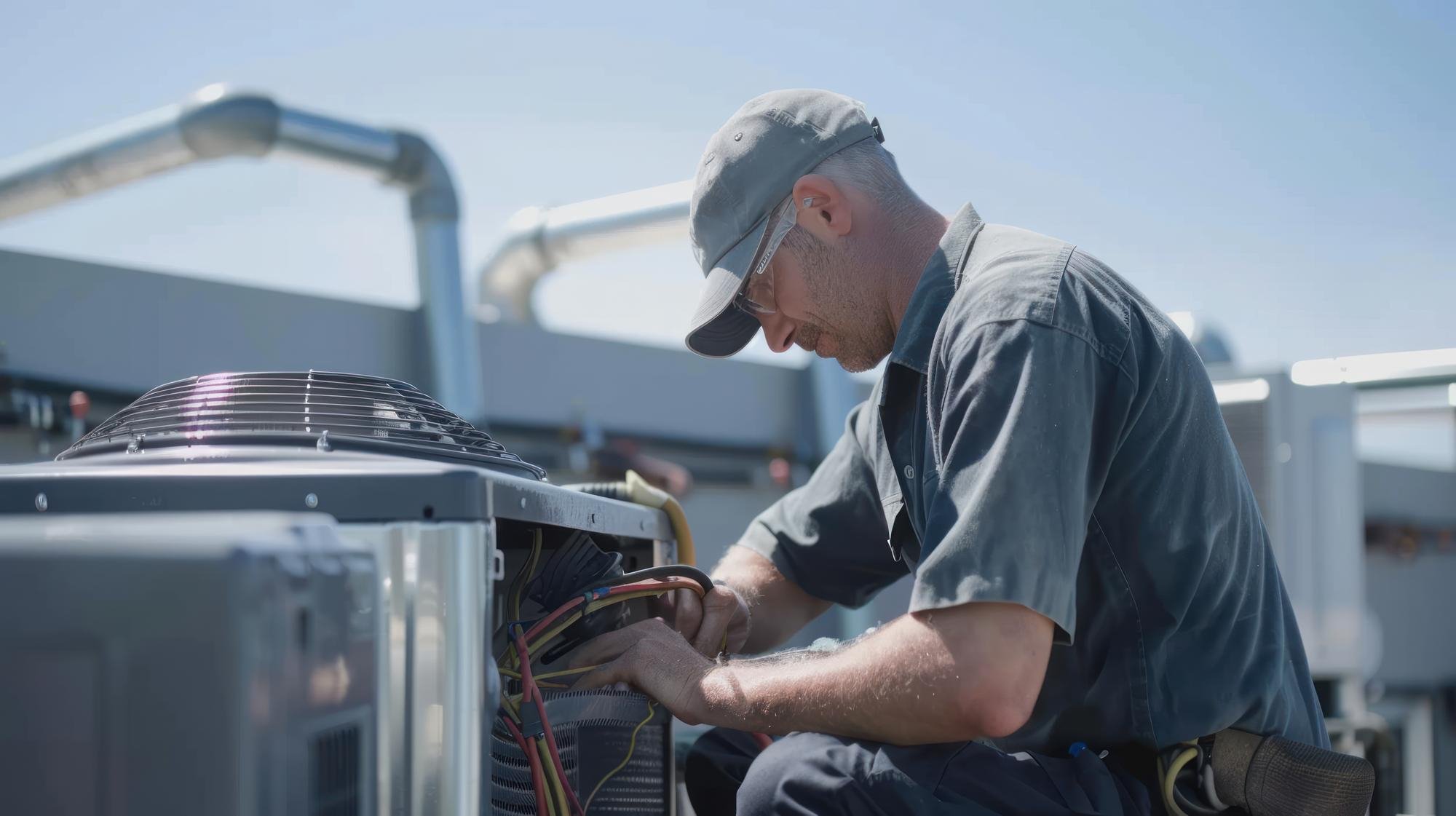
Sealing our way to fewer repairs involves a combination of methods, not a single silver bullet. The right approach depends on the house. Here are practical measures that produce visible changes in both comfort and service frequency.
Start with the attic. In Tucson, the attic is the main battleground. Adding or restoring attic insulation to recommended levels, usually an R-value in the R-30 to R-38 range depending on roof assembly and local recommendations, slows heat transfer dramatically. Just as important is sealing penetrations: attic hatches, can lights, plumbing stacks, and duct boots. Many homes have insulation material that looks fine at a glance but has been compressed or shifted; restoring proper depth matters.
Address ductwork. Duct leaks in unconditioned spaces are a common silent culprit. Even leaks under 10 percent of airflow can increase system runtime materially. Sealing ducts with mastic or foil-backed tape, insulating ducts in the attic to appropriate R-values, and improving return path design reduces pressure imbalances and keeps equipment working in its intended envelope.
Improve windows and shading. While replacing single-pane windows may not be affordable for every homeowner, adding solar screens, reflective films, or external shading can reduce direct solar gain on west and south exposures. Less solar load means the system does not work as hard during late afternoon peaks, lowering stress during the most dangerous hours for equipment.
Fine-tune system controls and maintenance. Properly calibrated thermostats, programmable schedules, and smart setbacks reduce unnecessary run hours. A tuned system with clean coils, proper refrigerant charge, and well-maintained fans will still perform better when coupled with an improved envelope.
Cost trade-offs and return on investment
Upfront costs for insulation and duct sealing are usually easier to justify than whole-system replacement, but homeowners must weigh timelines. A complete attic insulation upgrade can often be done for a few hundred to a few thousand dollars depending on square footage and access. Duct sealing varies widely but is often in a similar range for a typical single-family home.
Consider that an emergency compressor replacement can cost several thousand dollars, and routine repairs plus higher energy bills compound annually. In many cases, modest envelope work reduces equipment runtime enough to delay a major replacement by several years. There are also non-monetary benefits: fewer emergency calls, fewer uncomfortable nights, and less stress during heat waves.
How to work with your HVAC contractor effectively
If you have a history of frequent HVAC repair, ask your HVAC contractor to evaluate the building envelope as part of a service visit. Contractors that partner with insulation professionals or offer envelope diagnostics provide more durable solutions. Expect a thorough visit to include a look at the attic, basic duct checks, and a discussion of observed thermal bridging or leakage paths.

A practical approach for homeowners is to request a prioritized plan. Not every recommended upgrade must happen at once. A contractor should be able to identify the highest-leverage fixes: sealing attic hatch and duct boots, adding insulation in the attic, or temporarily improving shading where solar gain is worst. If you ask for trade-offs and estimated savings in run hours or energy, a seasoned HVAC contractor or HVAC contractor team will provide concrete options rather than a single expensive list.
When to call a specialist
If you experience repeated compressor failures, freezing coils, or recurrent low pressure issues that persist after mechanical repairs, bring in a specialist who looks at the whole system. Search for "HVAC Service Near Me" or "HVAC repair" with the expectation that the technician will comment on envelope interactions. If a contractor resists discussing insulation or duct issues, ask for references to insulation professionals or building science consultants. Some companies, including Plunkett Home Services in our market, coordinate across trades to deliver combined solutions. A collaborative approach reduces finger-pointing and delivers fewer surprise service trips.
A note about new installations and insulation
Siting and sizing matter when installing new systems. In Tucson, oversized equipment often short cycles, while undersized equipment struggles on peak days. Proper load calculations that include an honest assessment of insulation levels tend to produce better outcomes. If you plan an AC installation in Tucson, insist that the contractor perform a Manual J load calculation and that they take a hard look at envelope quality. Investing a bit more to correct obvious insulation gaps before or during installation pays dividends in both comfort and repair frequency.
Final persuasive point: spend where it saves
Homeowners face limited budgets and competing priorities. The persuasion here is simple: paying for envelope improvements is often the most cost-effective way to reduce AC repair frequency in Tucson. Replacing compressors and motors repeatedly is a hamster wheel. Improving insulation and sealing air leaks is not glamorous, but it is a durable strategy that lowers stress on equipment, reduces emergency calls, and improves comfort.
If your repair history shows recurrent failures or the AC runs more than a few hours at a stretch during summer, prioritize an envelope assessment. Ask your HVAC contractor for a holistic plan that includes attic work and duct sealing, or contact a qualified HVAC company near me that coordinates with insulation pros. Making the building envelope part of the conversation changes repairs from a reactive chore into a longer-term investment.
If you want a practical next step, start with three actions: schedule a professional AC tune-up, request an attic and duct inspection during the visit, and get estimates for targeted sealing and insulation improvements. Those steps will lower the number of emergency AC repair near me calls you make, reduce monthly energy bills, and prolong the life of your cooling system. When technicians stop seeing the same house every summer with the same failures, you will know the fix worked. Plunkett Home Services and other reputable contractors can provide integrated assessments that move beyond part-swapping and toward reliability.
Plunkett Home Services
3144 E Fort Lowell Rd, Tucson, AZ 85716, United States
+1 (520) 808-2743
[email protected]
https://callplunkett.com/