Changing an air filter sounds simple until you realize the wrong choice can raise your bill, shorten equipment life, and turn your home into a dust museum. I learned that the hard way my first summer in Tucson, when a contractor installed a high-efficiency filter in a 15-year-old split system. The air felt cleaner, but the compressor started cycling odd hours, and utility bills nudged upward. That experience taught me to treat filters like tuning parts, not disposable napkins. If you search for HVAC Service Near Me or AC Repair in Tucson, picking the right filter is one of the most actionable decisions a technician or homeowner can make during a service call.
Why the filter matters here, and why it matters now Tucson’s climate presents a tight set of trade-offs. Heat is the dominant load, monsoon seasons bring heavy dust and pollen, and seasonal wildfire smoke can suddenly increase particulate levels. A filter that chokes airflow reduces cooling efficiency and strains the blower motor. A filter that lets everything pass through leaves coils filthy, reducing heat transfer and prompting more frequent calls for HVAC repair. When you hire an HVAC contractor or an HVAC company near me, you should expect them to recommend a filter that balances airflow, particle capture, and maintenance frequency for your system and lifestyle.
How filters are rated and what those ratings mean for your bill and comfort Most residential filters you’ll encounter are rated one of two ways: MERV or MPR/HEPA-like marketing labels. MERV stands for minimum efficiency reporting value and scales roughly from 1 to 16 for common HVAC applications. Higher MERV numbers capture smaller particles, but they also increase pressure drop across the system. MPR is a Media Performance Rating used by some manufacturers; it correlates loosely with MERV but can be misleading when compared directly.
For typical Tucson homes, MERV 6 to MERV 8 filters are a sensible choice for older systems with restrictive blowers. They capture visible dust, lint, and larger pollen without choking airflow. For newer, high-efficiency systems designed with variable-speed blowers, MERV 11 to MERV 13 becomes viable and helps with wildfire smoke and finer particulates. Going beyond MERV 13 in a standard residential HVAC can hurt airflow and should only be considered if the system is rated for it or a whole-house fan or dedicated filtration is installed.
How an HVAC technician assesses your system during service When a technician from an HVAC repair company like Plunkett Home Services comes out, they should do more than swap the filter. The right assessment includes checking static pressure, inspecting the blower motor and cabinet seals, and looking at coil cleanliness. Static pressure readings tell you whether your current filter is causing excessive resistance. A quick anecdote: on one service call, we measured a static pressure of 0.65 inches of water column with a high-MERV pleated filter in place. After switching to an appropriate MERV 8 and sealing the cabinet, static pressure dropped to 0.18, improving both airflow and comfort. Those numbers matter because even a few tenths of an inch can change cooling capacity and runtime, which shows up on your next electric bill.
Allergens, smoke, pets, and how they change the choice If your household includes people with asthma or severe allergies, bumping up to a higher MERV within the system’s limits is usually worth the trade-off. During smoke events, portable HEPA cleaners can remove fine particulates more effectively than forcing your central system to do all the work. If you own multiple indoor pets, expect filters to fill faster; pleated filters capture fur and dander well, but they also need replacing more often.
Think about these practical examples: a single adult home with no pets and mild allergies can get by with a four- to six-week replacement schedule on a MERV 8 pleated filter. A family with two dogs and seasonal allergies might need MERV 11 and a replacement every 30 days, or MERV 13 with monthly checks if the HVAC contractor confirms the system tolerates that load.
The cost side of the equation Higher-rated filters cost more upfront, but they can lower maintenance bills by protecting coils and improving indoor air quality. The cost of an average pleated MERV 8 filter runs a few dollars per month when amortized, while MERV 13 cartridges may cost two to four times more. Consider that a dirty coil can reduce system efficiency by 10 to 30 percent and may require professional coil cleaning or an early AC repair in Tucson. A filter that stays clean enough to prevent coil fouling often offsets its extra cost in avoided repairs and lower energy use.
When a technician suggests a filter upgrade during a routine HVAC Service Near Me visit, ask for an explanation of expected costs and benefits. A trustworthy HVAC contractor will show trade-offs, not just a sales pitch.
Five quick checkpoints to use while a technician is on site
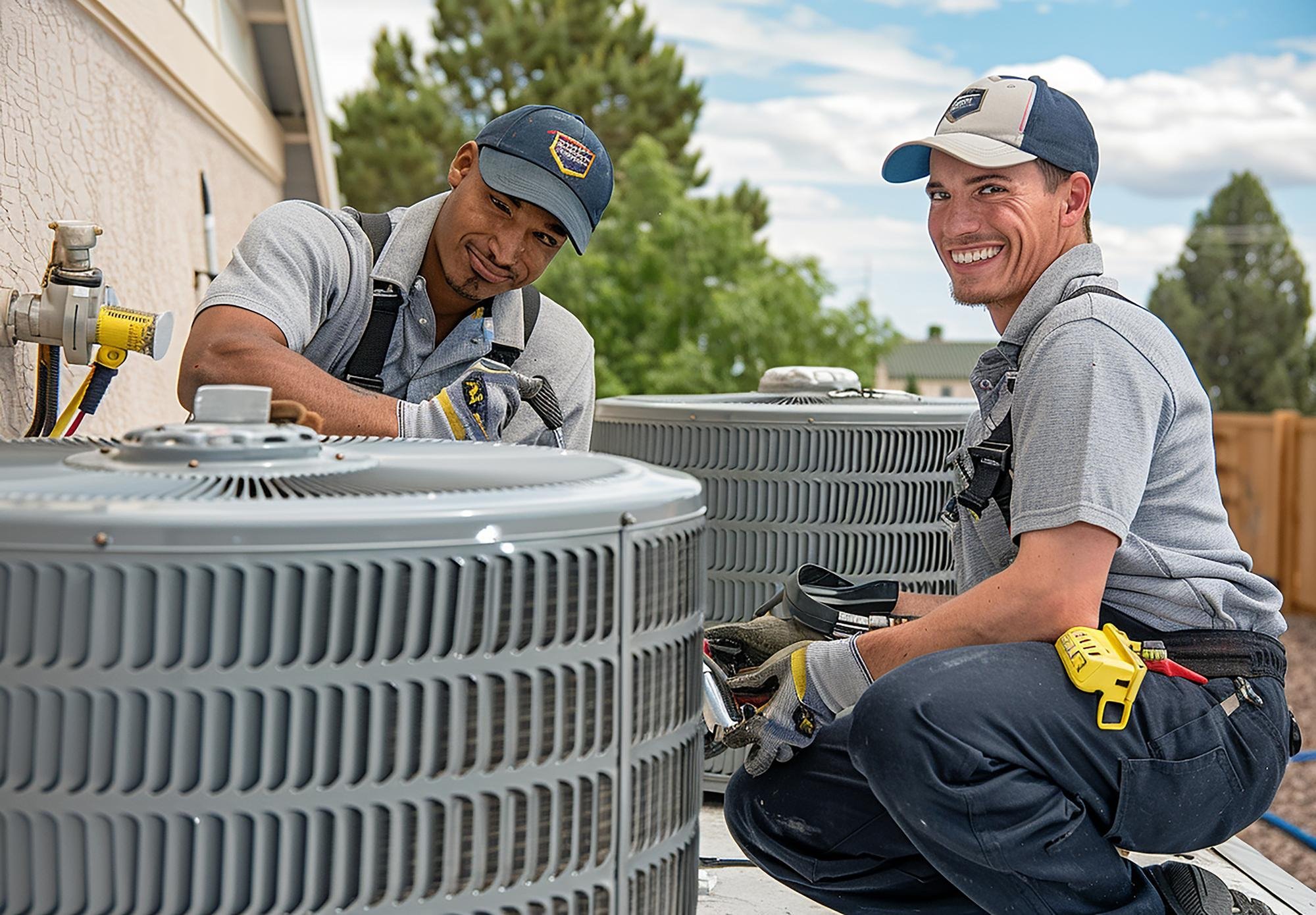
- Verify system compatibility by asking for static pressure and the blower’s model specification. Confirm the expected replacement interval for the proposed filter type. Ask to see the return duct and filter slot for proper fit and sealing. Request a photo or inspection of the evaporator coil if it has not been cleaned this season. If you have health concerns, discuss temporary portable HEPA use during high-smoke events.
Choosing between disposable pleated filters and washable media Disposable pleated filters are the most common and come in various MERV ratings. They are inexpensive and widely recommended because they maintain consistent performance until changed. Washable media filters save replacement cost but often fail to meet their rated efficiency after repeated cleaning. In my experience, washable filters can warp or shed fibers, which increases downstream maintenance. For most Tucson homeowners relying on central AC for 6 to 8 months of heavy use, pleated disposables strike a better balance between cost and protection.
Electrostatic and activated-carbon options: when they make sense Electrostatic filters use static charge to capture particles and can perform well for household dust and dander. They range in effectiveness and tend to be pricier. Activated-carbon filters reduce odors and VOCs but do not capture fine particulates efficiently on their own. If odors from cooking or environmental sources are a real problem, combining a pleated particulate filter with an activated-carbon layer makes sense. Expect these combinations to increase pressure drop, so have the HVAC repair technician verify static pressure before installation.
Filter fit, sealing, and installation mistakes to watch for The best filter still fails when air bypasses it. I have seen contractors slide oversized filters into slots without caulking gaps, or homeowners force too-thick filters into undersized frames. Both scenarios let unfiltered air reach coils and reduce the filter’s effective life. During service, insist that the technician check the frame and the filter’s seating. A simple strip of foam around the slot can reduce bypass and is a quick, low-cost fix most HVAC contractors should perform as part of an AC installation in Tucson or a routine tune-up.
How often should you change filters in Tucson? There is no single number that fits every household, but here are pragmatic ranges based on experience and local conditions. In dusty conditions or during monsoon and wildfire seasons plan on checking monthly. For moderate dust and no pets, every 60 to 90 days is common with MERV 8 pleated filters. For high-MERV filters, expect shorter service life, often monthly. If you notice decreased airflow, an increase in runtime, or a change in how your home smells, inspect the filter regardless of the calendar.

When emergency AC repair near me becomes necessary A clogged filter can mimic more serious failures by causing the system to short-cycle or freeze the evaporator coil. If the system shuts off on high-pressure or low-pressure safety trips, call for an emergency AC repair near me. Technicians should check the filter first because clearing and replacing a badly loaded filter can sometimes restore operation immediately. Plunkett Home Services and other HVAC contractors will often recommend keeping a spare filter on hand to reduce response time during heat waves.
Whole-house filtration and supplemental options If indoor air quality is a top priority, whole-house filtration systems mounted in the return plenum or dedicated air cleaners with MERV 13 to MERV 16 capability can help. These units often use larger filter area to keep pressure drop acceptable. UV-C lights can reduce microbial growth on coils, but they do not filter particulates. Portable HEPA units remain the most cost-effective solution for targeted rooms during smoke events or high allergen days. An HVAC company near me should present these as complementary solutions, explaining installation and operating costs.
Questions to ask your HVAC technician during service When a technician recommends a filter, don’t accept the line "this one is the best" without specifics. Ask about the system’s static pressure reading, how the filter will impact airflow, and the recommended replacement schedule. Insist on seeing test results or a quick airflow demonstration if the contractor claims improved efficiency. A confident HVAC repair professional will be able to justify the choice with practical metrics and explain the trade-offs.
A short checklist to bring to your next service visit
- Confirm the recommended MERV level and why it suits your system. Ask for static pressure data or a written note on compatibility. Verify replacement interval and total yearly cost. Inspect filter fit and cabinet sealing in person. Discuss supplemental options for smoke or allergy events.
Real-world scenario: matching filter choice to three common Tucson households A small single-family home, two adults, no pets, moderate dust exposure. Best choice: MERV 8 pleated filter, change every 60 to 90 days. Why: balances cost, pressure drop, and coil protection.
A family with two children, one dog, seasonal allergies, and a newer variable-speed system. Best choice: MERV 11 to MERV 13, change monthly. Why: finer particulate control improves indoor air quality and the variable-speed blower tolerates the slightly higher pressure drop.
A homeowner living near busy roads or experiencing wildfire smoke events. Best choice: MERV 13 with a supplemental portable HEPA unit for bedrooms during smoke events. Why: central filtration captures much of the road dust, while HEPA targets fine particulates and can run overnight without stressing the central system.
Avoiding common sales traps Extra-thick filters and inflated marketing labels promise https://angelovusv943.theglensecret.com/top-mistakes-to-avoid-when-hiring-an-hvac-company-near-me long life and miracle performance. Some do deliver in specific setups, but many are inappropriate for older systems. If a technician tries to upsell a filter without explaining static pressure or measuring compatibility, treat that as a red flag. A reputable HVAC contractor will explain both the benefits and the potential downsides.
Maintenance habits that extend filter life and system health Sealing the return ducts, keeping a box fan or screened vent area clean, and reducing indoor dust sources lengthen filter life. Simple behavioral changes help too, like keeping windows closed during high dust days and wiping down pet resting areas. During monsoon and pollen season, check the filter more frequently. These small steps reduce the frequency of expensive AC repair in Tucson calls.
When to call a pro If you experience recurrent coil frost, unusually short cycles, persistent pressure trips, or visible dirt downstream of the filter, call an HVAC repair technician. These signs indicate the filter is not doing its job or the system needs further service. Emergency AC repair near me matters in heat waves where system downtime threatens health. Keep contact details for a trusted local HVAC contractor such as Plunkett Home Services, and ask them to add filter inspection to routine service visits.
Final persuasive nudge Choosing the right filter during an HVAC service visit is not a trivial add-on. It is a leverage point that affects energy use, indoor air quality, and how long your system will keep you cool through Tucson summers. Treat your technician as an advisor, not a salesperson. Ask for measurements, insist on proper fit and sealing, and choose a filter that matches your system and lifestyle, not only the fanciest label. Small, informed choices at each service call prevent big, costly surprises later.
Plunkett Home Services
3144 E Fort Lowell Rd, Tucson, AZ 85716, United States
+1 (520) 808-2743
[email protected]
https://callplunkett.com/